

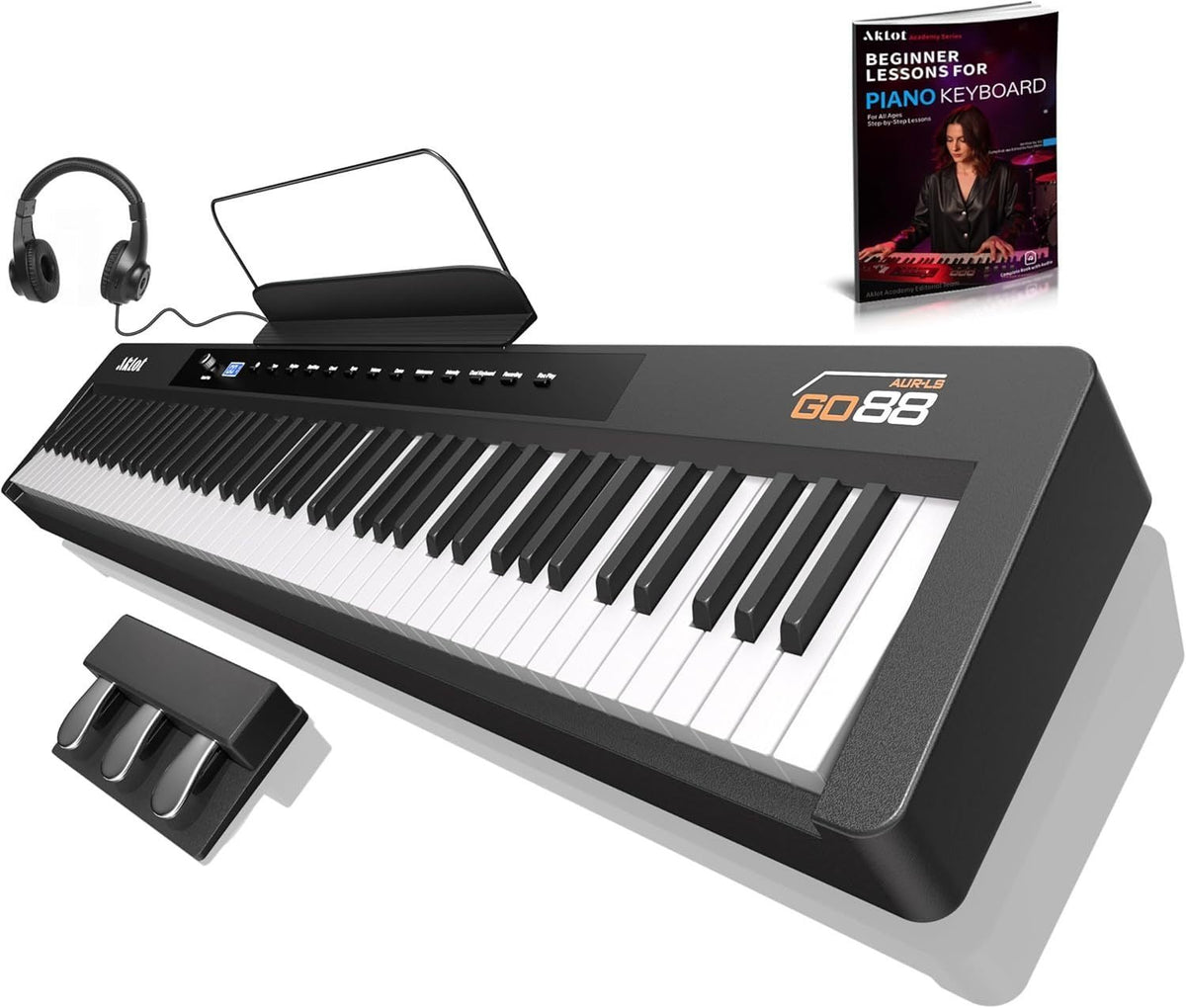
Why a Keyboard Instrument is the Perfect Choice for Music Starters
Table of Contents
- 1. Introduction to Keyboard Instruments
- 2. Ease of Learning: A Beginner's Best Friend
- 3. Versatility and Variety: The Key to Musical Exploration
- 4. Affordability: A Budget-Friendly Option
- 5. Accessibility: Perfect for Any Space
- 6. Technological Advancements in Keyboard Instruments
- 7. Building Foundational Skills for Future Instruments
- 8. Tips for Choosing the Right Keyboard Instrument
- 9. Frequently Asked Questions
- 10. Conclusion
1. Introduction to Keyboard Instruments
When entering the world of music, the choice of instrument is crucial for beginners. Keyboard instruments, which include pianos, synthesizers, and electronic keyboards, stand out as an excellent choice for those just starting their musical journey. With their intuitive layout and broad range of sounds, keyboards offer a fantastic entry point into music education.
2. Ease of Learning: A Beginner's Best Friend
One of the most significant advantages of keyboard instruments is their **ease of learning**. The layout of the keys is straightforward, making it easy for beginners to grasp the basics of music theory, such as scales and chords.
The Visual Layout
The keyboard's linear design allows for a visual representation of musical concepts. Beginners can quickly identify notes and understand how they relate to one another. This visual aspect is particularly helpful for learning to read music, as the keys correspond directly to the notes on a staff.
Immediate Gratification
Keyboard instruments also provide immediate gratification. With just a press of a key, beginners can produce sound, offering a sense of accomplishment early on. This instant feedback encourages practice and exploration, which are essential for developing musical skills.
3. Versatility and Variety: The Key to Musical Exploration
Another compelling reason to choose a keyboard instrument is its **versatility**. Unlike many other instruments, which may be limited to specific genres, keyboards can produce a vast array of sounds and styles.
Exploring Different Genres
From classical pieces to modern pop songs, keyboard instruments can adapt to various musical genres. This versatility allows beginners to explore different styles and find their musical preferences without the need to switch instruments.
Sound Customization
Modern keyboards often come equipped with numerous sound options and effects. Beginners can experiment with different tones, such as strings, brass, and even electronic sounds, enhancing their creativity and musical expression.
4. Affordability: A Budget-Friendly Option
For many aspiring musicians, cost is a significant factor when selecting an instrument. Keyboard instruments are generally more **affordable** than traditional acoustic instruments, making them accessible to a broader audience.
Range of Price Options
From entry-level keyboards to professional models, there is a wide range of price points available. This variety means that beginners can find a suitable instrument within their budget, whether they’re looking for a simple model to start or a more advanced keyboard to grow into.
Low Maintenance Costs
In addition to the initial purchase price, keyboards typically require less maintenance than traditional instruments. Unlike pianos, which need regular tuning and care, keyboards are electronics with minimal upkeep.
5. Accessibility: Perfect for Any Space
Keyboard instruments are incredibly **accessible**, both in terms of physical space and ease of use.
Compact and Portable
Many keyboards are lightweight and portable, making them easy to move and store. This portability allows beginners to practice in various locations, whether at home, in a classroom, or even at a friend's house.
Quiet Practice Options
Most keyboards come with headphone jacks, enabling musicians to practice quietly without disturbing others. This feature is particularly beneficial for those living in shared spaces or apartments, as it allows for uninterrupted practice sessions.
6. Technological Advancements in Keyboard Instruments
In recent years, advancements in technology have significantly enhanced the functionality of keyboard instruments.
Integration with Software
Many modern keyboards can connect to computers and devices, allowing users to access a wealth of educational resources, recording software, and music apps. This integration helps beginners learn more effectively and enjoyably.
Interactive Learning Tools
Several keyboard manufacturers now offer interactive learning tools that guide beginners through lessons and exercises. These tools provide a structured approach to learning, making it easier for new musicians to develop their skills.
7. Building Foundational Skills for Future Instruments
Learning to play the keyboard can provide a solid foundation for any aspiring musician.
Understanding Music Theory
Keyboard instruments allow beginners to grasp essential music theory concepts, such as harmony, melody, and rhythm. This understanding is transferable to other instruments, making it easier to switch or supplement their musical journey later on.
Developing Coordination and Dexterity
Playing the keyboard helps develop hand-eye coordination and finger dexterity. These skills are crucial for any musician, as they contribute to better overall performance and technique.
8. Tips for Choosing the Right Keyboard Instrument
Selecting the right keyboard instrument can significantly impact a beginner's learning experience. Here are some tips to consider:
Identify Your Goals
Before purchasing a keyboard, beginners should identify their goals. Are they interested in casual playing, or do they aim to pursue music seriously? Knowing their objectives will help guide their choice.
Consider Key Types
Keyboards come with various key types, including weighted, semi-weighted, and synth-action keys. Beginners should try different types to find the one that feels most comfortable for their playing style.
Explore Features
Look for features that align with the beginner's interests, such as built-in learning tools, recording functions, and sound variety. These features can enhance the learning experience and make practice more enjoyable.
9. Frequently Asked Questions
1. What is the best keyboard for beginners?
The best keyboard for beginners often depends on individual needs, but a model with weighted keys, educational features, and a variety of sounds is generally recommended.
2. Do I need a stand and bench for my keyboard?
While not strictly necessary, a stand and bench can provide better ergonomics and comfort during practice.
3. Can I learn to play the keyboard online?
Yes, many online resources, including tutorials and courses, are available for learning keyboard instruments.
4. How long will it take to learn the keyboard?
The time it takes to learn the keyboard varies by individual, but with consistent practice, beginners can start playing simple songs within a few months.
5. Are electric keyboards as good as acoustic pianos?
While acoustic pianos have their unique qualities, electric keyboards offer incredible versatility and convenience, making them a great choice for many musicians.
10. Conclusion
In summary, keyboard instruments provide a myriad of benefits for music starters, making them the perfect choice for beginners. Their **ease of learning**, **versatility**, **affordability**, and **accessibility** cater to a wide range of musical interests and goals. With the added advantages of technological advancements and the foundational skills they help develop, keyboards stand out as an ideal instrument for those embarking on their musical journey. By choosing the right keyboard, beginners can set themselves up for success and enjoyment in their musical endeavors.
Share:
Exploring the Melodic World of Acoustic Violins: A Guide for Enthusiasts