

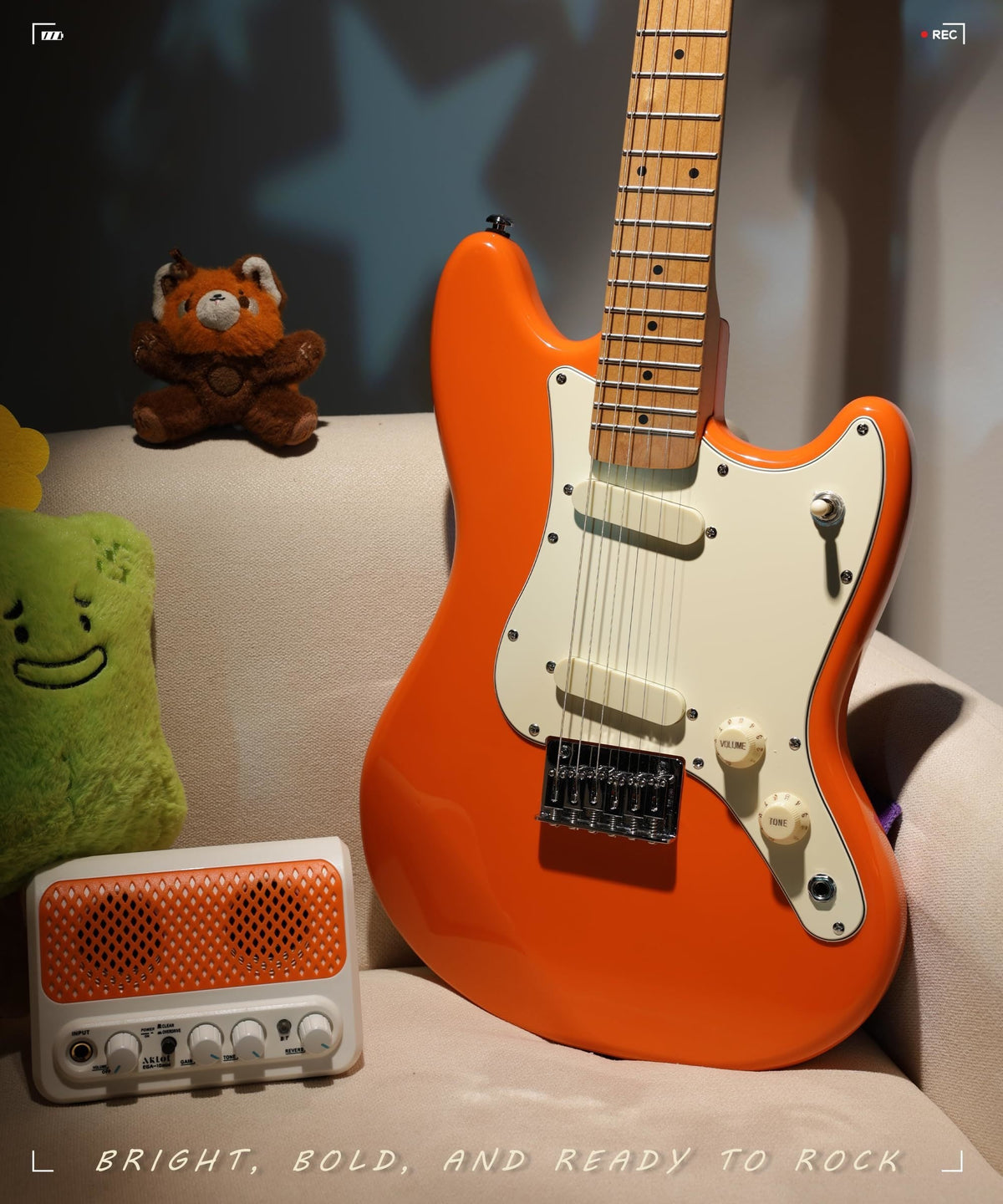
Stage-Ready: How to Select an Electric Guitar for Live Performances
Introduction: Understanding the Importance of the Right Electric Guitar
Choosing the right electric guitar for live performances is crucial for achieving the optimal sound, comfort, and stage presence. With numerous brands, models, and specifications available, the selection process can be overwhelming. This guide will simplify your decision-making process by outlining key features, considerations, and expert recommendations to ensure you find the perfect instrument for your needs.
1. Key Factors to Consider When Selecting an Electric Guitar
1.1 Sound Quality: The Heart of Your Performance
The sound quality of an electric guitar is paramount, as it significantly impacts your live performance. Factors influencing sound include:
- **Pickups**: The type of pickups (single-coil vs. humbucker) affects the tone. Single-coils produce a bright, clean sound, while humbuckers offer a warmer, thicker tone.
- **Wood Type**: Different woods have distinct sound characteristics. For example, mahogany typically provides warmth, while alder delivers a balanced tone.
1.2 Playability: Comfort is Key
The playability of an electric guitar is essential for live performances. A comfortable guitar allows for longer sets and more expressive playing. Consider the following:
- **Neck Profile**: Choose a neck profile that suits your playing style. Thinner necks are often preferred for faster playing, while thicker necks can provide more sustain.
- **Fret Size**: Larger frets facilitate easier bending and fretting, enhancing overall playability.
1.3 Weight and Balance: The Physical Aspect
An electric guitar’s weight and balance can affect your performance. A heavier guitar can lead to fatigue over time, while a well-balanced instrument is easier to handle on stage. When selecting a guitar, consider:
- **Body Shape**: Different body shapes (e.g., Stratocaster, Les Paul) have varying weights. Play several options to find what feels right for you.
- **Strap Placement**: Ensure the guitar balances well when worn with a strap, allowing for easy movement while playing.
2. Types of Electric Guitars for Live Performances
2.1 Solid Body Electric Guitars
Solid body guitars are the most common for live performances due to their durability and versatile sound. They excel at high volumes and can handle various genres, from rock to jazz. Popular models include:
- **Fender Stratocaster**: Known for its bright tone and comfortable playability.
- **Gibson Les Paul**: Offers a thick, warm sound with exceptional sustain.
2.2 Semi-Hollow and Hollow Body Electric Guitars
These guitars provide a unique tonal quality, blending the warmth of acoustic sounds with the power of electric. They are ideal for genres like blues and jazz. Consider models like:
- **Gretsch White Falcon**: Famous for its jangly tone and striking aesthetics.
- **Gibson ES-335**: A versatile option that performs well in various styles.
2.3 Travel Electric Guitars
For musicians on the go, travel electric guitars offer portability without sacrificing sound quality. Look for features like:
- **Compact Size**: Lightweight with a smaller body, making it easy to transport.
- **Built-in Electronics**: Some models come with built-in pickups, ensuring great sound even when plugged into an amp.
3. Essential Features to Look for in a Performance-Ready Electric Guitar
3.1 Pickup Configuration
Understanding the different pickup configurations can help you choose the right guitar for your sound:
- **Single-Coil Pickups**: Bright and clear, perfect for clean tones and intricate play.
- **Humbucker Pickups**: Ideal for heavier genres, providing a thicker sound with less noise.
3.2 Bridge Type: Fixed vs. Tremolo
The type of bridge significantly affects tuning stability and playability:
- **Fixed Bridge**: Offers better tuning stability and is easier to maintain.
- **Tremolo Bridge**: Allows for pitch variation through whammy bars, but can lead to tuning issues if not set up correctly.
3.3 Tonewoods: The Foundation of Your Sound
The type of wood used in the body and neck influences tone and sustain. Common tonewoods include:
- **Alder**: Balanced tone with good resonance.
- **Mahogany**: Warm, rich sound with excellent sustain.
4. Choosing the Right Brand: Reputation and Quality
Selecting a reputable brand can ensure quality and reliability. Some of the top brands include:
- **Fender**: Known for their quality craftsmanship and versatile instruments.
- **Gibson**: Renowned for their rich tones and iconic designs.
- **PRS (Paul Reed Smith)**: Offers high-end models with exceptional playability and sound.
5. Budget Considerations: Finding Value for Your Money
Electric guitars come in various price ranges, and it’s essential to set a budget before shopping. Consider:
- **Entry-Level Models**: These are usually priced between $200 and $600 and are suitable for beginners.
- **Mid-Range Guitars**: Ranging from $600 to $1,200, these guitars often offer better sound and build quality.
- **High-End Instruments**: Prices above $1,200 typically reflect premium materials, craftsmanship, and features.
6. Testing Before You Buy: The Importance of Hands-On Experience
Before committing to a purchase, it’s vital to test the guitar. Here’s how to effectively evaluate an electric guitar:
6.1 Playability Assessment
Spend time playing the guitar to assess its feel. Consider:
- **Fret Access**: Ensure you can comfortably reach higher frets.
- **String Action**: Check if the strings are set at a comfortable height for your playing style.
6.2 Sound Test
Plug the guitar into an amp that you would commonly use and listen for:
- **Tone Clarity**: Ensure the sound is clear and true to your expectations.
- **Sustain**: Check how long the notes ring out, which can indicate the quality of the instrument.
7. Frequently Asked Questions (FAQs)
7.1 What is the best electric guitar for beginners?
For beginners, consider models like the Fender Stratocaster or Squier Affinity Series. They offer great playability and sound quality at an affordable price.
7.2 How do I maintain my electric guitar for live performances?
Regular maintenance includes changing strings, cleaning the fretboard, and checking the electronics. Ensure tuning stability by keeping the guitar in a stable environment.
7.3 What amp should I use with my electric guitar for live performances?
The choice of amp depends on your genre. Tube amps provide warmth and depth, while solid-state amps offer reliability and clarity. Look for models that suit your style and budget.
7.4 How can I improve my stage presence while playing the guitar?
Practice performing in front of others to build confidence. Work on your stage movements and engage with the audience to create a memorable experience.
7.5 What accessories do I need for live performances?
Essential accessories include a quality guitar strap, extra strings, picks, a tuner, and a sturdy case for transportation.
Conclusion: Making an Informed Choice for Live Electric Guitar Performances
Selecting the right electric guitar for live performances is a multifaceted decision that can significantly impact your music career. By considering sound quality, playability, weight, and brand reputation, you can make an informed choice that aligns with your unique style and performance needs. Testing various models will help ensure you find an instrument that not only sounds great but also feels comfortable and inspires you to perform at your best. Remember, the perfect electric guitar awaits—it's just a matter of finding it.
Share:
The Fascinating World of Orchestral Wind Instruments: A Guide for Music Enthusiasts
Enhancing Rhythm Skills: The Benefits of Drum Instruments for Rhythm Training